
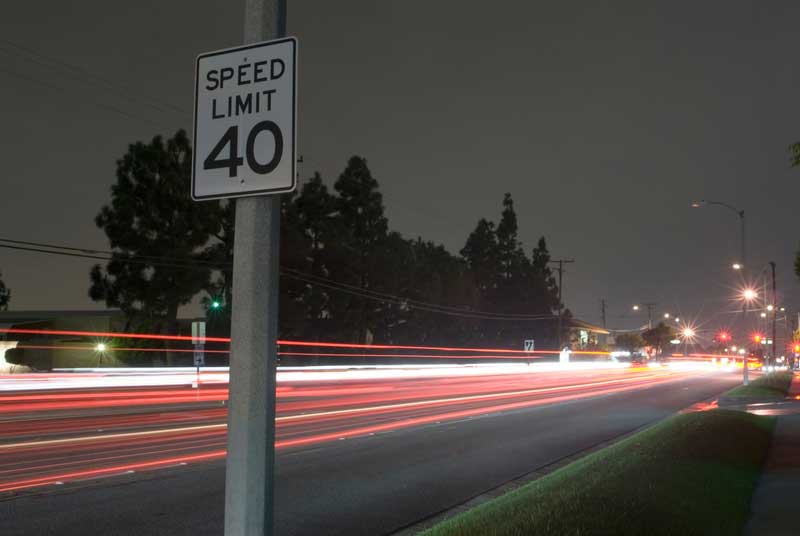
By conducting a speed study, stakeholders can enhance safety, optimize traffic flow, ensure regulatory compliance, and make informed, cost-effective decisions to improve road networks and community well-being.
Speed studies analyze the speeds at which vehicles are traveling on a particular road or section of road. This type of study is typically conducted by local or state transportation agencies to identify areas where speeding is a problem and to develop strategies for addressing the issue. Speed studies can be used to assess the effectiveness of speed limit enforcement, engineering solutions (such as speed bumps), and to determine if signed speed limits need to be raised. The floating car technique is still a reliable way to determine average speeds on freeways during non-peak hours.
Speed studies analyze vehicle speeds at specific locations to inform traffic management, safety, and infrastructure decisions. Benefits include:
